

Instantly available energy
The energy storage system can immediately store unused energy and release it just as quickly when needed.
A pioneering redox flow battery storage facility is being built at the Technology Center Laufenburg, offering impressive sustainable, safe and fully recyclable technology. It supports the integration of renewable energies by storing surplus electricity and releasing it again when needed. This stabilizes the grid, reduces the risk of outages and strengthens the security of supply in Switzerland and Europe.
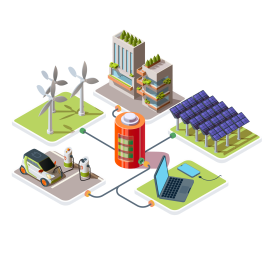
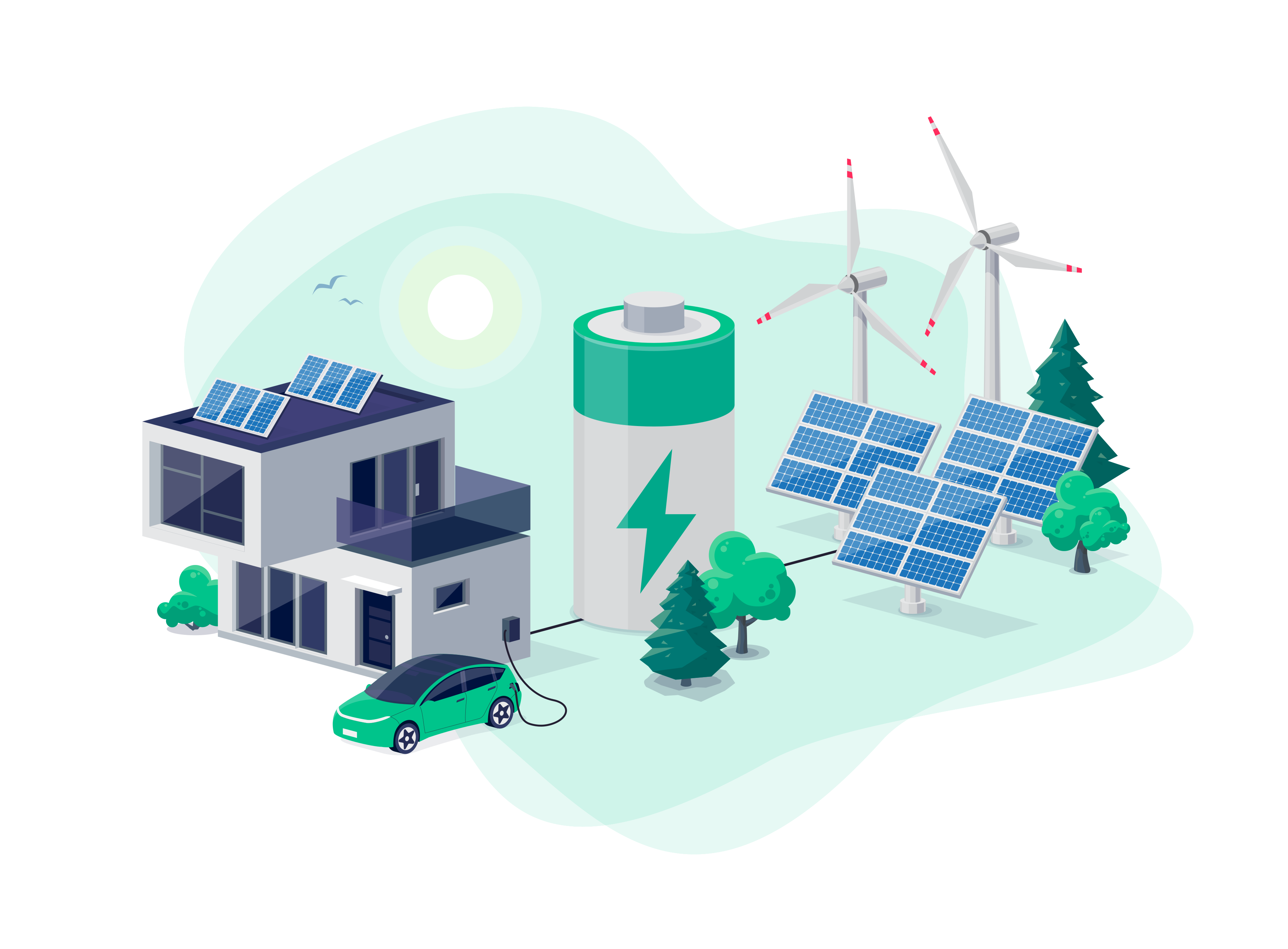
Renewable energies such as solar, hydro and wind do not always supply electricity when it is needed. At the same time, the grid is under heavy strain due to the increase in electric vehicles with corresponding charging stations, the construction of heat pumps, local solar systems and generally higher energy demand. These factors mean that our energy system is facing a challenge on a scale never before seen in history.
This is where large battery storage systems come into play: a battery storage system reliably stores excess sustainable energy and makes it available again immediately when needed. Centralized large-scale storage systems are indispensable for the stability of the supra-regional power grid and therefore enable the further expansion of renewable energy sources such as wind, hydropower and solar energy.
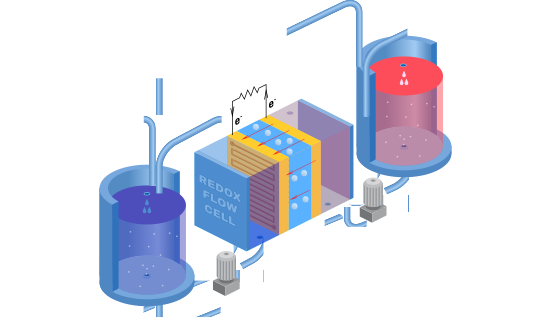
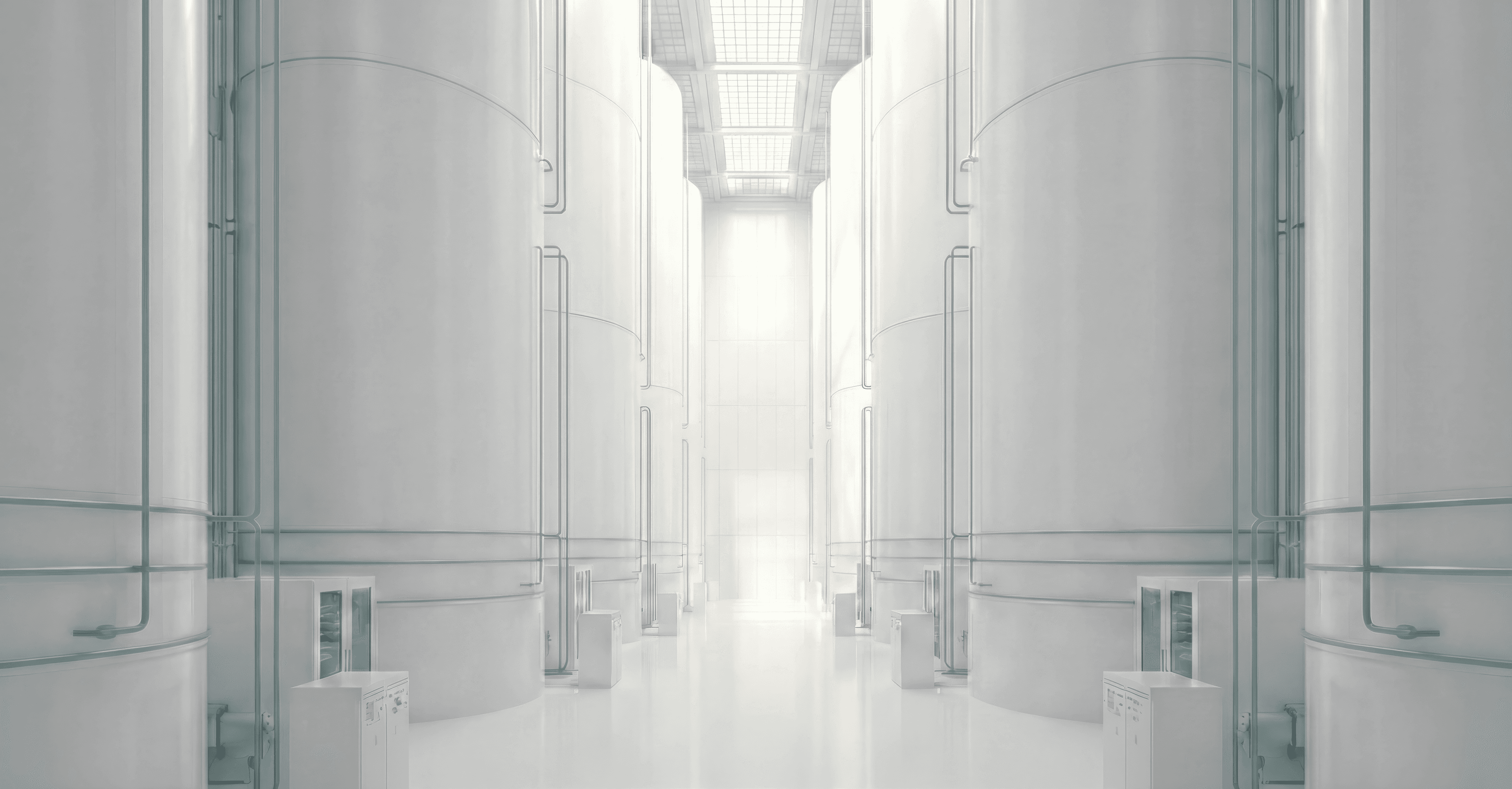
As with any battery, redox flow is based on an electrochemical principle. Unlike conventional batteries - such as lithium-ion systems - the electrolyte is not permanently installed, but is stored in tanks in liquid form with a high water content. This makes a redox flow battery non-flammable, durable, resilient and almost completely recyclable at the end of its service life.
With our battery storage system, we are actively driving forward the energy transition and laying the foundations for an efficient energy future.
The energy storage system can immediately store unused energy and release it just as quickly when needed.

The energy storage system can compensate for frequency and voltage fluctuations and stabilize the power grid.

Energy storage supports the use of renewable energy such as wind, solar and hydropower and can compensate for their uneven production patterns.
Our technology combines energy and sustainability: with high storage capacity, maximum safety and environmentally friendly materials, the system sets new standards for a stable energy supply.
Since redox flow batteries use non-flammable, aqueous electrolytes, they are extremely safe and have a very long service life without any significant loss of capacity. In addition, they do not require any critical raw materials and are easily recyclable - a clear environmental advantage over lithium-ion technologies.
This makes redox flow batteries the sustainable, safe and scalable solution for large-scale energy storage.

Use non-flammable, water-based electrolytes
No fire risk, no toxic gases, safe operation from –40 °C to +80 °C.
Risk of thermal runaway
Fires and release of toxic gases; difficult to extinguish; requires safety distances, fire suppression systems and active cooling.

Can be installed flexibly in buildings, basements, dense urban areas and extreme environments.
Higher areal energy density and easy scalability minimize space requirements while maximizing deployment options.
Limited site flexibility; fire-safety regulations restrict deployment in urban areas and inside buildings.
Scaling up requires additional containers, leading to higher costs and increased space requirements.

Safety requirements do not limit separation distances or installation locations and focus primarily on chemical hazards and mechanical safety.
International standards (IEC), due to the increased fire risk, require large separation distances between containers and buildings.
Use non-flammable, water-based electrolytes
No fire risk, no toxic gases, safe operation from –40 °C to +80 °C.
Can be installed flexibly in buildings, basements, dense urban areas and extreme environments.
Higher areal energy density and easy scalability minimize space requirements while maximizing deployment options.
Safety requirements do not limit separation distances or installation locations and focus primarily on chemical hazards and mechanical safety.
The basic functioning based on the example of vanadium redox flow batteries.
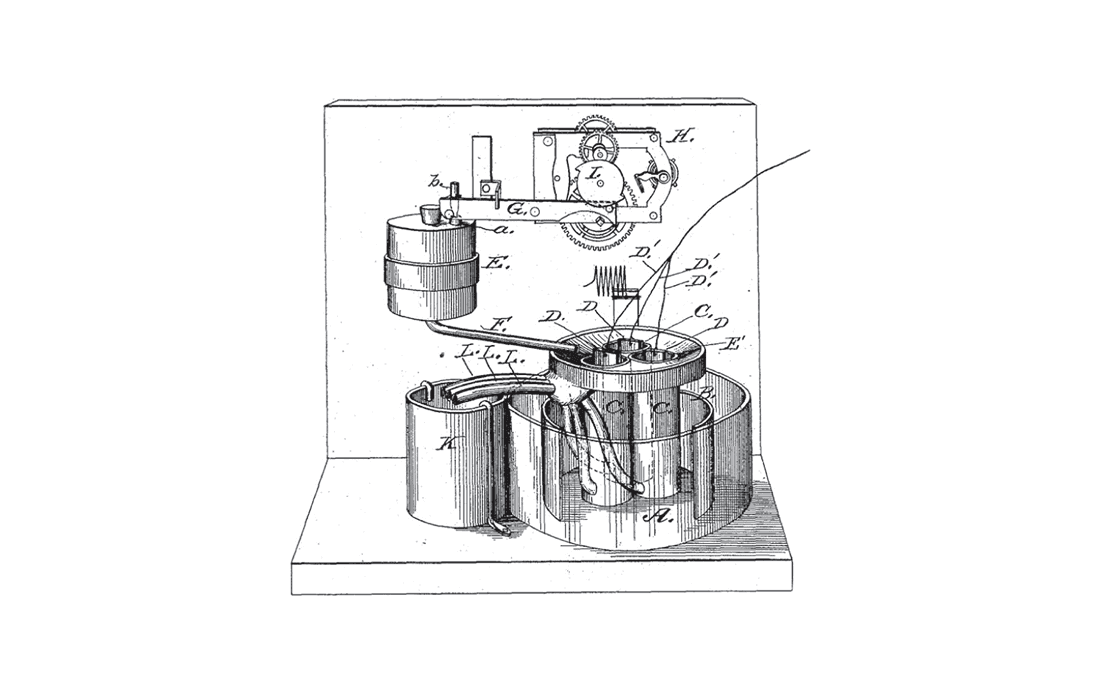
The basic principles of redox flow have been known and patented since 1879, when it was known as the zinc-bromine flow battery.
Image: upsbattery.com
With our battery storage system, we are contributing to the energy transition and laying the foundations for an efficient energy future.

Redox flow batteries are non-flammable and non-explosive. This distinguishes them significantly from lithium battery storage solutions.

The liquid can be almost fully recovered and reused, saving resources and reducing waste.
Thanks to the “simple” design and easy accessibility of all system components, every part of the battery can be repaired. The electrolyte can also be recycled and reused if contaminated.

The costs per megawatt hour stored can be compared over the entire service life of the system. The long service life puts the initially higher investment costs into perspective.
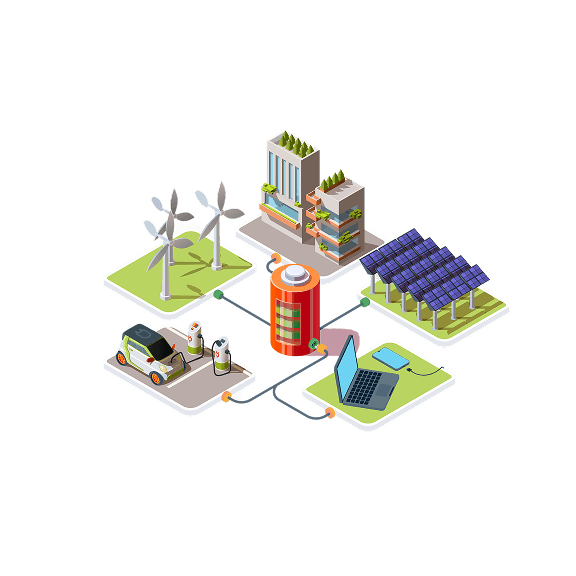
A pioneering redox flow battery storage facility is being built at the Technology Center Laufenburg, offering impressive sustainable, safe and fully recyclable technology. It supports the integration of renewable energies by storing surplus electricity and releasing it again when needed. This stabilizes the grid, reduces the risk of outages and strengthens the security of supply in Switzerland and Europe.
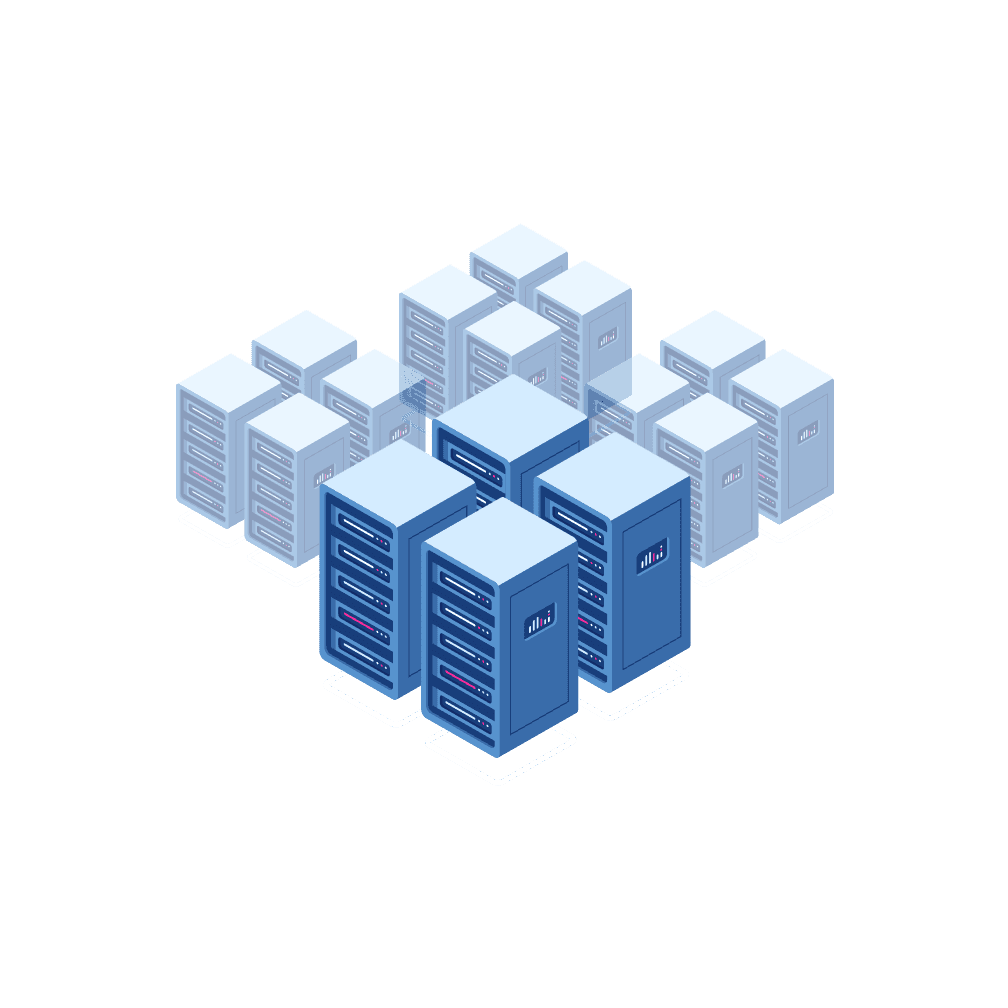
The AI data center combines cutting-edge technology with the highest security standards and guarantees a future-proof, scalable solution for hyperscalers. The FlexBase “Sovereign AI Factory” sets new standards in terms of performance, security, sustainability and future-proofing.
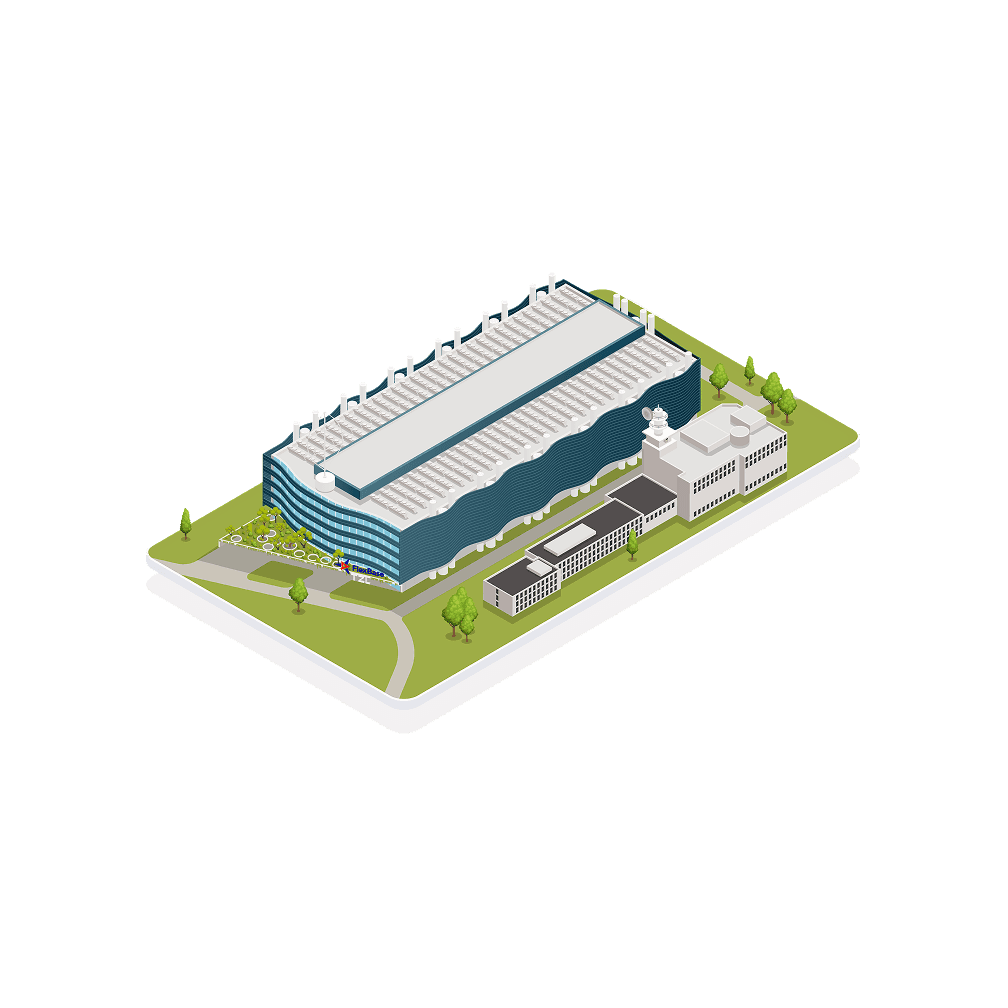
The construction of the new technology center will create a modern campus for energy and innovation in Laufenburg. Covering an area of 40,000 m², the campus will combine battery storage, an AI data center, office space and laboratories. Sustainable construction, the highest safety standards and energy-efficient infrastructure make the site a showcase project for European technology development.
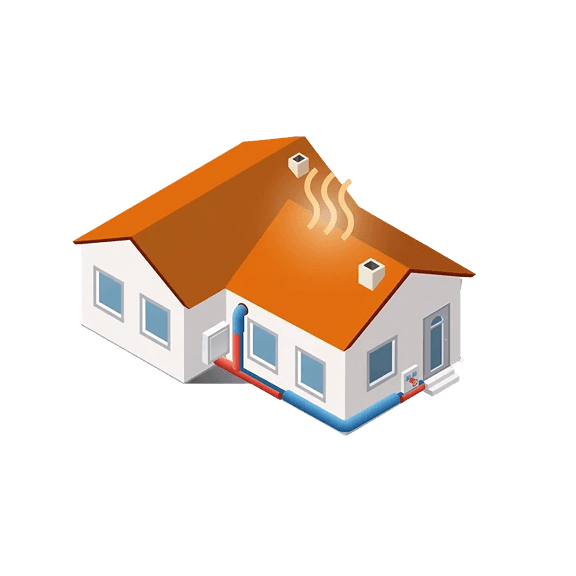
The waste heat from our AI data center at the Technology Center Laufenburg (TCL) can power not only Laufenburg but an entire regional ecosystem. Our heat extends for several kilometers and can transform fossil-fuel-fired power plants into backup systems. For us, sustainability isn’t just a concept — it’s actively planned and implemented.
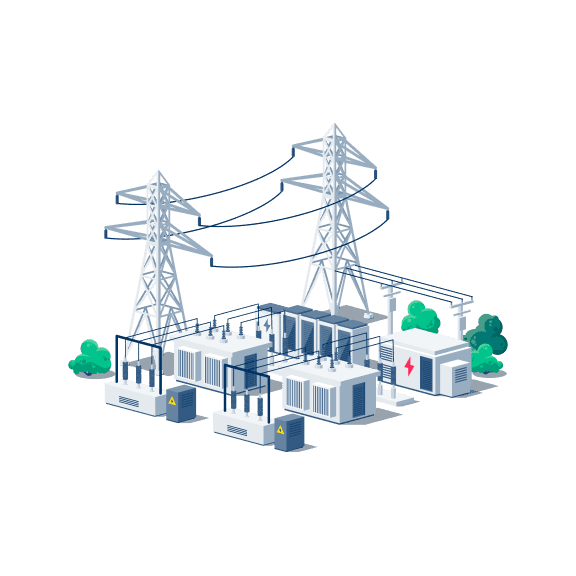
To supply power to the Technology Center Laufenburg, FlexBase is building an industrial grid with a connection to Switzerland's highest grid level, comparable to the electricity highway. The grid is used for the fine distribution and conversion of electrical energy to lower voltages, to which the individual battery storage units and data center consumers are connected.

In a world that is increasingly relying on renewable energies, efficient and sustainable battery storage solutions play a key role. Our research and development department is working on innovative technologies that are driving the energy transition forward.


